
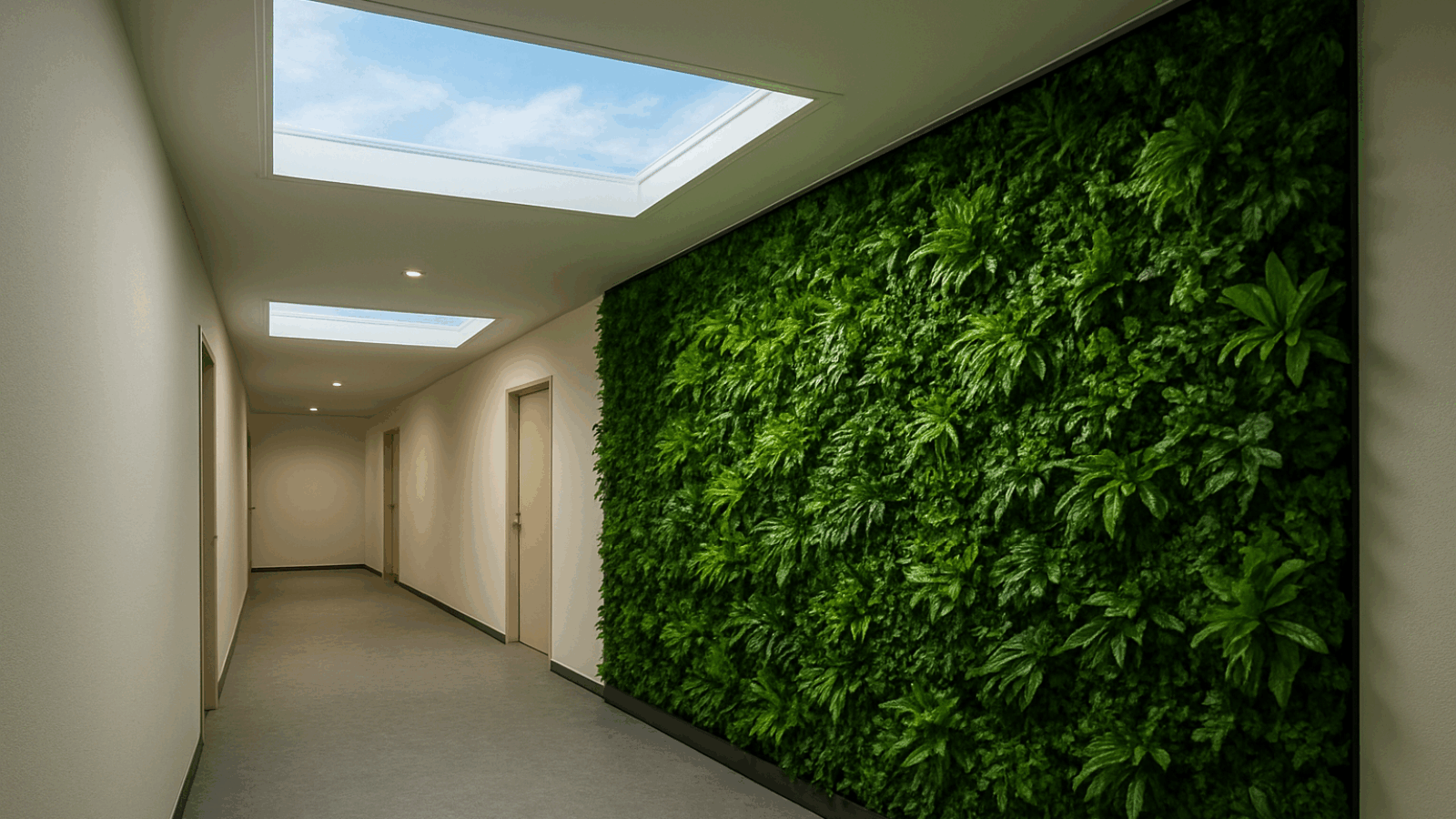
In modern architecture, wellness-driven design is rapidly becoming a top priority. As workspaces grow denser, urban homes get compact, and commercial interiors rely more heavily on artificial environments, people are spending over 90% of their time indoors. This shift has amplified the need for biophilic design — an approach that reconnects humans with nature by integrating natural elements into built environments.
One of the most powerful tools enabling this shift is the artificial skylight, a lighting system that simulates the appearance, color, and behaviour of natural sunlight. For windowless spaces or areas with limited access to daylight, artificial skylights deliver an immediate, dramatic transformation.
This article explores how biophilic design combined with artificial skylights can positively influence health, mood, productivity, aesthetics, and the overall human experience indoors.
1. Understanding Biophilic Design: Why It Matters
Biophilic design isn’t just an aesthetic trend. It is rooted in neuroscience, psychology, and evidence-based research. The core belief is simple:
“Humans are hardwired to thrive in environments that mimic nature.“
1.1 The science behind biophilia
Studies show that natural light, greenery, textures, and organic patterns reduce stress, improve cognitive performance, and regulate emotions.
According to research published by NCBI, naturalistic lighting has measurable effects on circadian rhythms, sleep quality, and overall mental well-being.
1.2 Why modern interiors fail
Despite advancements in architecture, many environments still struggle with:
- Poor daylight access
- Deep floor plates
- Basement-level rooms
- Enclosed meeting spaces
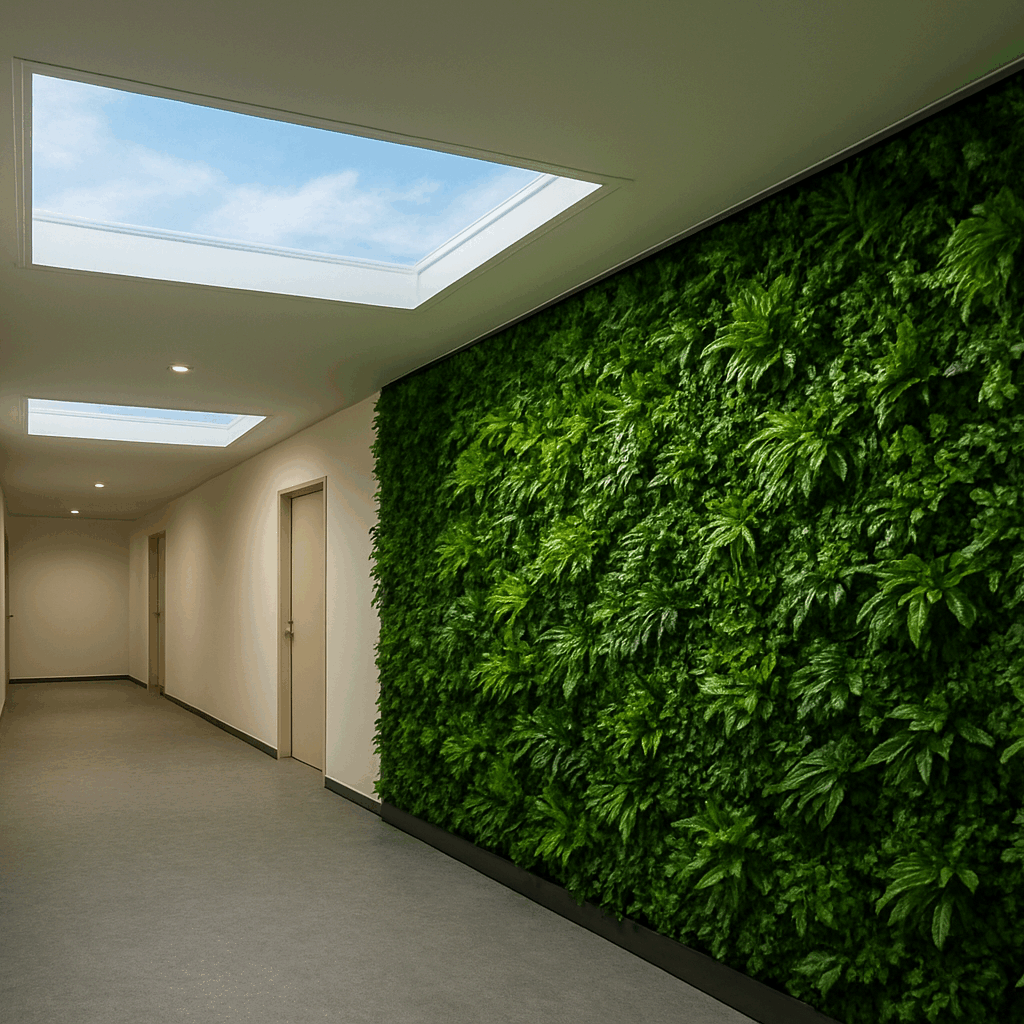
- Long corridors without windows
This makes occupants feel confined, fatigued, and disconnected from the outside world.
1.3 Biophilic design as the solution
Artificial skylights offer a way to reconnect people with a sense of sky, space, and openness — even in buildings where natural light is physically impossible.
2. What Are Artificial Skylights?
Artificial skylights / Virtual Skylights/ Fake Skylights are advanced lighting panels that mimic the optical depth, brightness, and color of the real sky. Some systems simulate:
- A blue sky with soft white clouds
- Dynamic sunlight movement
- Changing color temperatures
- A sense of infinite visual depth
They work by combining LED technology, diffusion optics, light engines, and sometimes video-based sky simulations.
2.1 Why they matter for biophilic design
Artificial skylights bring:
- Perceived natural illumination
- Psychological openness
- A visual connection to the sky
- Reduced claustrophobia
- Higher comfort and mood elevation
These are key pillars of biophilic design.
3. How Biophilic Lighting Influences Human Wellness
Lighting plays a central role in circadian regulation, hormonal balance, and mental clarity.
3.1 Circadian rhythm alignment
According to global photonics research, indoor lighting should support natural rhythms by mimicking the color and intensity variations of real daylight.
Artificial skylights reproduce daylight-like qualities even in fully enclosed rooms, supporting:
- Better sleep-wake cycles
- Enhanced energy throughout the day
- Lower stress levels
- Reduced eye strain
3.2 Mood enhancement
Exposure to daylight has been linked with elevated serotonin and dopamine levels. Artificial skylights replicate these effects through high CRI, natural colour tones, and atmospheric visual depth.
3.3 Productivity & performance
Workspaces with daylight-like illumination show:
- Better concentration
- Faster decision-making
- Lower fatigue
- Improved creativity
This makes biophilic skylight systems ideal for offices, classrooms, and commercial environments.
4. Benefits of Using Artificial Skylights in Biophilic Design
4.1 Creates the illusion of open space
One of the biggest challenges in interior design is making windowless rooms feel spacious. Artificial skylights visually “open up” ceilings and create psychological relief.
4.2 Natural-looking light distribution
Advanced simulated skylights replicate natural sky gradients — a capability that normal LED panels cannot achieve.
4.3 Zero heat gain
Unlike real skylights, artificial skylights don’t cause:
- Heat ingress
- UV fading
- Glare
- Weather-related issues
4.4 Flexibility in placement
Install anywhere:
- Basements
- Lobbies
- Retail stores
- Clinics
- Corridors
- Conference rooms
4.5 Consistent daylight all day
Weather changes, pollution, and time-of-day variations don’t affect artificial skylights.
5. Where Artificial Skylights Are Making the Biggest Impact
5.1 Commercial Offices
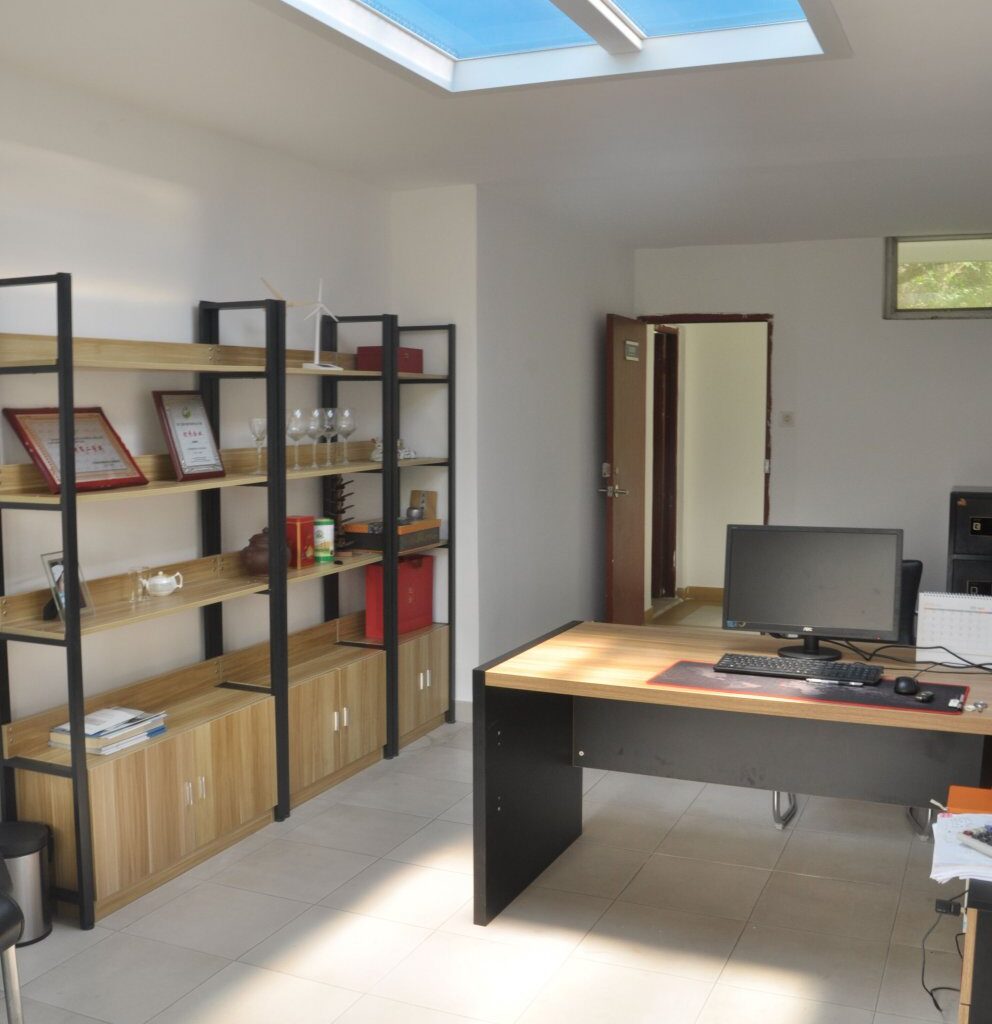
Open-plan workplaces are using skylight panels to counter enclosed cubicles and deep interiors.
5.2 Retail Stores
Artificial skylights create a premium ambience and visual drama that increases dwell time and purchase intent.
5.3 Healthcare
Hospitals use them to reduce stress for patients in MRI rooms, waiting areas, and ICUs.
5.4 Hospitality
Hotels and spas integrate skylight ceilings to enhance relaxation environments.
5.5 Residential Projects
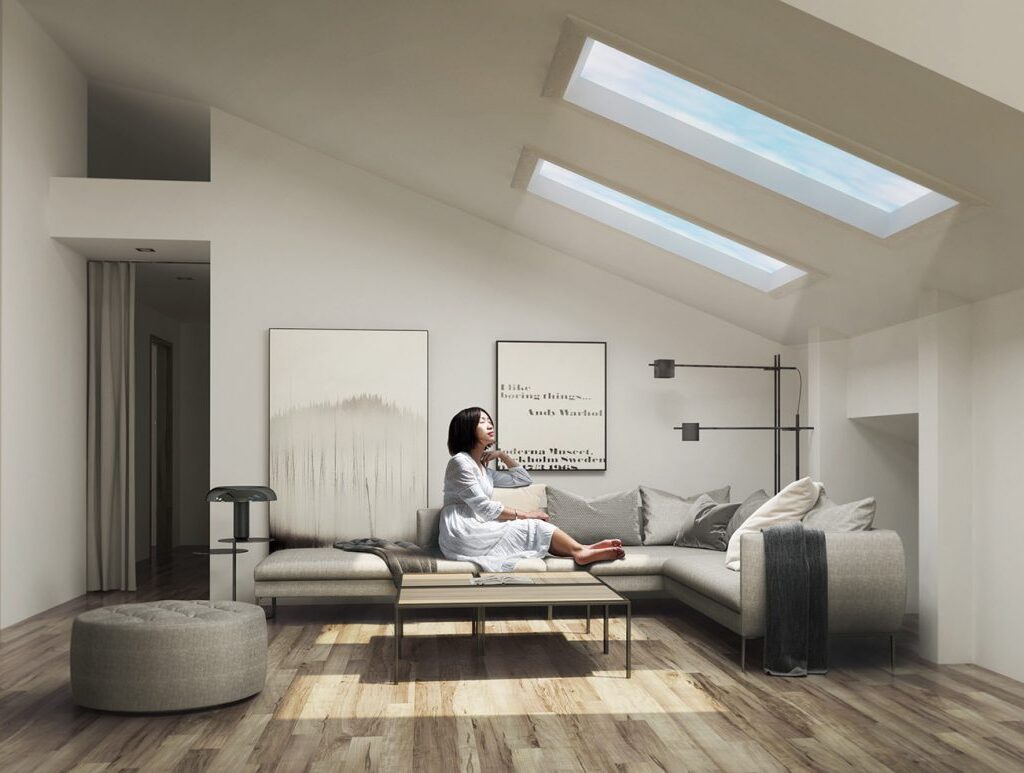
Urban homes with limited sunshine benefit from skylight panels in:
- hallways
- kitchens
- converted basements
- home offices
6. Static vs Dynamic Skylights in Biophilic Design
6.1 Static Skylights
Provide a constant, daylight-like bright sky.
Benefits:
- Lower cost
- Minimal maintenance
- Great for corridors & utility spaces
6.2 Dynamic Skylights
Simulate cloud movement, shifting sunlight, evolving tones.
Benefits:
- Hyper-realistic
- Best for premium spaces
- Strongest emotional impact
Dynamic systems offer truly immersive biophilic experience.
7. Techniques for Using Artificial Skylights in Biophilic Interior Design
7.1 Combine with natural textures
Pair skylights with:
- wood
- stone
- greenery
- neutral palettes
to enhance realism.
7.2 Use in clusters or patterns
Multiple skylights installed in a grid create the feel of a natural atrium.
7.3 Use in calming zones
Ideal for meditation rooms, wellness zones, and healthcare areas.
7.4 Layer with indirect lighting
This softens shadows and enhances natural ambience.
7.5 Integrate virtual skylights into false ceilings
Creates a seamless, architectural finish.
8. Real-World Case Examples
Here are a few standardized examples of how artificial skylights transform real spaces:
8.1 Office deep-floor plates
A corporate IT office replaced standard LED panels with dynamic skylights, resulting in a:
- 35% reduction in employee complaints about lighting
- 22% improvement in visual comfort metrics
- measurable psychological relief in enclosed areas
8.2 Retail premium zones
A luxury retail store installed static skylights above feature zones to simulate natural daylight on products. Customers perceived colours more accurately and the store experienced a visible boost in engagement.
8.3 Healthcare patient rooms
Hospitals report reduced patient anxiety and better cooperation during procedures when artificial skylights are installed in MRI or treatment rooms.
Conclusion
Biophilic design is no longer optional — it’s becoming a fundamental principle of modern architecture. Artificial skylights deliver a unique, powerful way to bring the benefits of nature into windowless interiors. Whether you want the emotional uplift of a blue sky, the calm of soft daylight, or the spatial openness that skylights provide, simulated sky systems enable designers to create healthier, more human-centered environments.
For offices, retail, hospitality, healthcare, and residential spaces, biophilic lighting design represents the future of indoor wellness — and artificial skylights are at the heart of this transformation.